Flood defence spending of about £2.5bn a year would broadly hold damage at today's level to 2050, Environment Agency finds
The Environment Agency's long-term investment scenarios put current spending at £1.3bn to £1.4bn a year and show what more money would buy in England over the next 100 years.
By Daily Oracles News Team3 min read
Spending an average of roughly £2.5bn a year on flood and coastal risk in England, close to double the current level, would broadly hold overall flood damage at around present levels over the next 25 years, according to the Environment Agency's long-term investment scenarios, published on Friday.
The study, last produced in 2019, models what different levels of spending would achieve over 50 and 100 years. It does not say where the money should come from, and the agency stresses that its figures carry wide margins: there is a 70% chance that the net value of each scenario lies within 60% either side of the reported figure.
About 6.3 million homes and businesses in England are in areas at risk of flooding from rivers, the sea or surface water, and the agency expects that to reach around 8 million, or about one in four properties, by mid-century.
What England spends now
Government investment runs at about £1.3bn to £1.4bn a year, based on £2.65bn over the two years from April 2024 to March 2026 and £4.2bn over the three years to March 2029.
The agency compares three costed paths, each expressed as a share of a theoretical maximum in which every scheme whose benefits exceed its costs gets built.
- The 30% path, close to today's spending, averages £1.4bn a year and returns about £6 for each £1 spent, a net value of £191bn over 100 years.
- The 60% path, about double today's spending, averages £2.5bn a year and returns about £5 per £1, a net value of £282bn.
- The 100% path, covering every worthwhile scheme, averages £3.9bn a year and returns about £4 per £1, a net value of £305bn.
All figures assume the agency's main climate case of about 2°C of warming by mid-century, with 4°C considered by 2100 and sea levels around a metre higher by the end of the century. Costs are in 2025 prices.
How damage changes over time
If spending stopped at essential safety maintenance, overall flood damage would be about 2.9 times today's level by 2050 and 4.2 times by 2075.
At the current rate of investment, damage would be about 1.2 times today's by 2050 and 1.4 times by 2075. The £2.5bn path keeps it at roughly today's level to 2050, rising to 1.1 times by 2075. Even the most expensive path cannot hold damage flat over a century, mostly because of sea level rise after 2060.
The pressure differs by type of flood. River flooding is the one source where steady investment could push damage below present levels. Surface water flooding, from heavy rain overwhelming drains, keeps rising under every scenario, and measures to tackle it return about £2.50 for each £1 spent, against roughly £4 for river schemes and £7 for coastal ones. Coastal flooding becomes the largest source of damage over 50 to 100 years.
Where extra money would go
At today's spending, about 80% goes on maintaining, raising and building defences. On the £2.5bn path that share falls to around 54%, with natural flood management, such as woodland planting and leaky barriers, rising to 34% and property-level protection, such as flood doors and raised sockets, to 12%.
That would mean natural flood management across about 480,000 hectares, about 4% of England's land and close to the size of Norfolk, and property flood resilience measures fitted to about 420,000 properties, against about 108,000 at current spending.
The agency notes that costs have climbed faster than general prices. Inflation has added about 40% since 2015, and the cost of each property better protected has risen by more than that.
What is left out
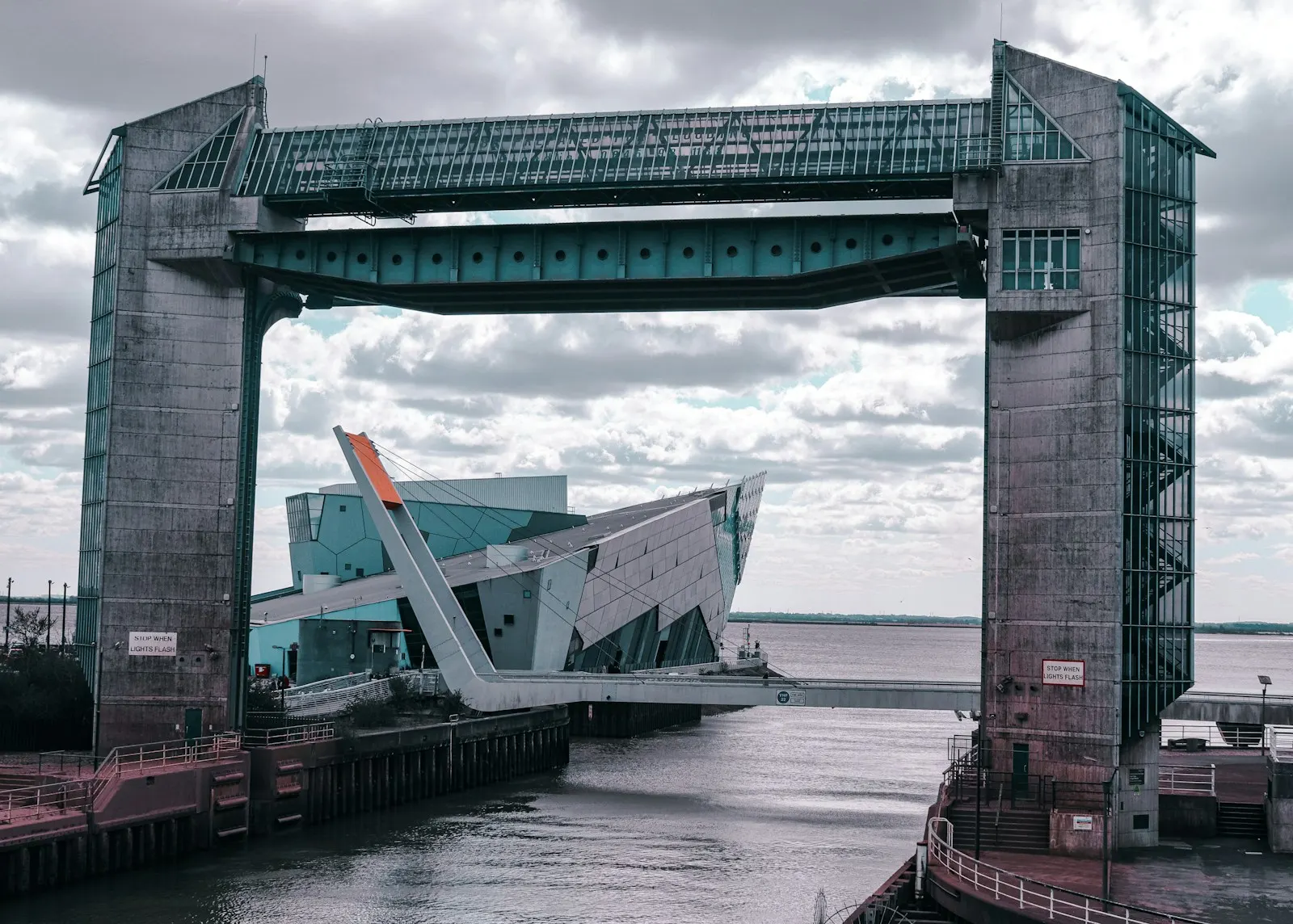
The figures exclude any replacement of the Thames Barrier, which is planned separately, and routine maintenance such as clearing debris and cutting vegetation. They also leave out the cost of moving communities away from places that are unlikely to be defended in the long term.