PlanAssist AI tool expands to 15 councils as new rules put officers in charge of straightforward applications
Decisions on straightforward cases now sit with planning officers. Ministers aim to halve routine householder processing from eight weeks to four.
By Daily Oracles News Team2 min read
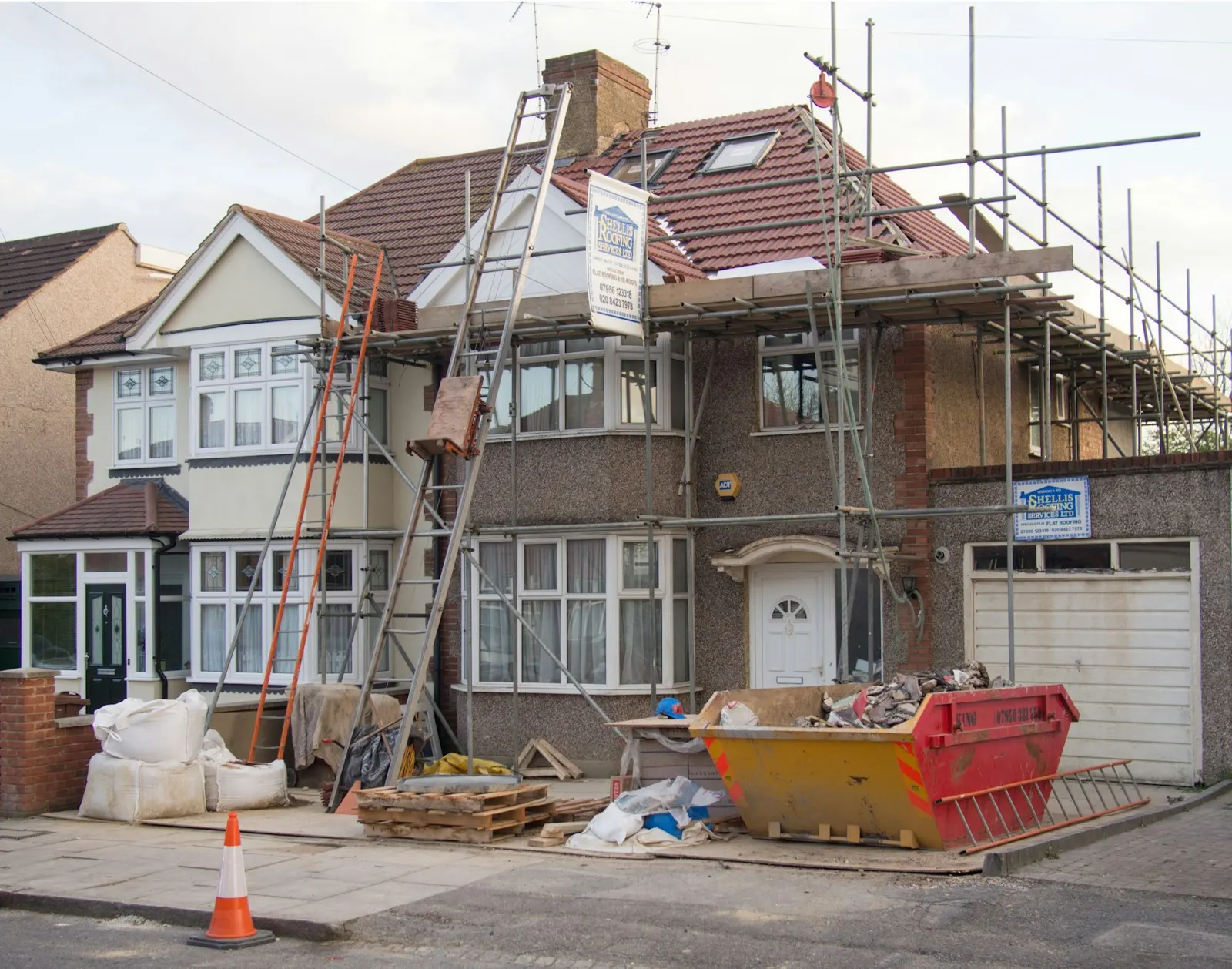
Homeowners and small businesses in England could get planning answers sooner under changes announced by the Ministry of Housing, Communities and Local Government. A National Scheme of Delegation means straightforward applications are decided by expert planning officers from 31 October, rather than waiting for a committee slot. The ministry says those who could benefit include homeowners extending or converting a loft and small businesses improving their premises.
Alongside that, the department is widening its test of PlanAssist, an AI tool built with Google DeepMind, Google Cloud, Faculty and local authorities. It brings applications, policies and site constraints into one place for officers, and cut the time spent on key tasks by 58% in early testing. The aim is to halve routine householder processing from eight weeks to four.
From three councils to 15
Camden, Barnet and Dorset ran the trial. Twelve more now join for 12 months: Ashford, Bristol, Cumberland, Lambeth, Newcastle, North Lincolnshire, Nottingham, Redbridge, Rochdale, South Gloucestershire, Stoke-on-Trent and Westminster.
Officers keep responsibility for reviewing applications and making decisions, and will use the software next to their usual process so its performance can be tested at scale. It will not be mandatory. The government intends to offer it to every council in England by the end of 2027, the same deadline for key planning documents to be digitised and published as open data.
The workload and the wage bill
District planning authorities decided 74,500 applications between April and June, 8% fewer than a year before, of which 37,700 were householder cases. Of those householder decisions, 92% were made within eight weeks or an agreed time.
The department said 420 planners have been recruited through government-backed programmes, above the 300 promised in the 2024 manifesto, and it wants 1,400 new staff across the planning system by the end of this Parliament.
This year more than £14m goes on two routes into the profession. Pathways to Planning, run by the Local Government Association, gets over £12m, including £8.5m for salary bursaries. Public Practice, a social enterprise that places mid-career professionals in the public sector, gets over £2m, including £1.6m in salary support for eligible councils.