Schools in pilot of new lunch standards reported higher costs before England's September 2027 start
A trial in 11 schools found healthier menus, while schools reported higher costs and some needed more staff time. The proposals were loosened in places as a result.
By Daily Oracles News Team2 min read
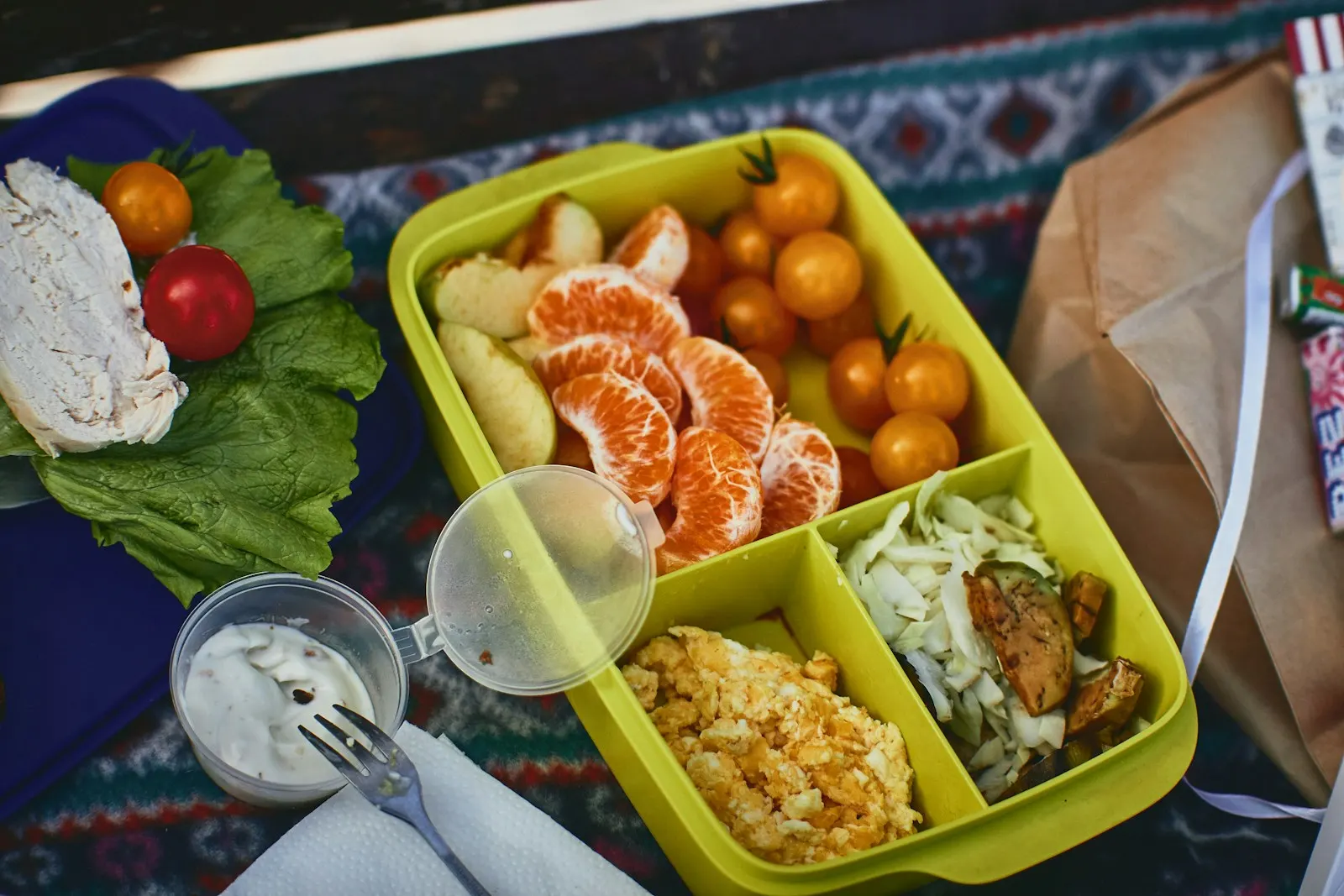
Menus improved in a small trial of new school lunch rules for England, and schools involved reported higher costs, according to research published on Thursday by the Department of Health and Social Care and the Department for Education.
Verian ran the pilot in 11 schools during the autumn term of 2025: eight primaries, one middle and two secondaries, using in-house, charitable and private caterers. The authors stress the sample was small, so the results show associations and not cause and effect. Revised standards are due to apply from September 2027, subject to Parliamentary approval, with some secondary school requirements following in September 2028.
Where the money goes
Schools put their higher costs down to the price of reduced-fat dairy, wholegrain ingredients and fruit, although cost data was not provided consistently. The main report puts the rise in food costs in some schools at between £0.06 and £0.20 per meal. Some schools also needed more staff time for training, fresh fruit preparation, new recipes and changes to packaging or labelling. That did not always add to wage bills, because staff sometimes dropped other tasks.
In-house and charitable caterers found cost increases easier to manage than commercial providers, who told researchers that their viability was at risk without extra government support. Most caterers thought around 12 months of lead-in would be needed.
Better menus, mixed uptake
Sugar, total fat and saturated fat all came down, even though no school fully implemented every standard. Fibre in grab-and-go items doubled. Some lunches fell short of pupils' energy needs, probably because caterers found portions hard to estimate.
Uptake rose or held steady in over half of the schools. Where it fell, pupils turned to packed lunches, bought food off site or skipped lunch, and in secondaries this was tied to limited grab-and-go options, pulse-only days and the loss of some cheese-based foods.
What changed as a result
The proposals were eased after the pilot, before the public consultation. The share of pasta and rice that had to be brown, wholemeal or added-fibre white went from 100% to at least 50%. The reduced-fat dairy requirement moved into guidance, and optional toppings stopped counting towards the cheese limit. Secondary schools were offered a softer first year on desserts, cheese and drinks.